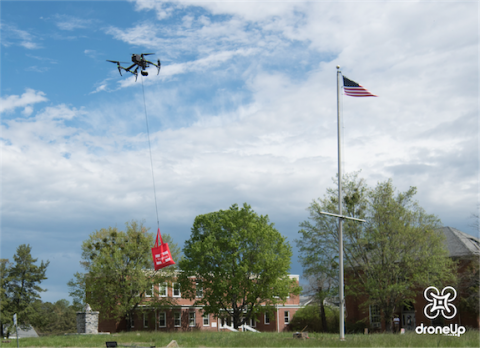
To determine how UAS could help medical professionals in their fight to stop the spread of the Coronavirus, DroneUp, UPS and its subsidiary UPS Flight Forward (UPSFF), Virginia’s Center for Innovative Technology (CIT), and Workhorse Group recently came together to test the technology in Lawrenceville, Virginia.
The entities say that experts in the healthcare industry and in government are looking for technology that could speed the pace of testing and treatment for infected patients, making autonomous drones a potentially valuable tool. The tests evaluated the commercial drone industry’s ability to provide and scale small UAS to support a variety of use cases to speed and assist the U.S. healthcare system during the pandemic.
First Responders
First Responders
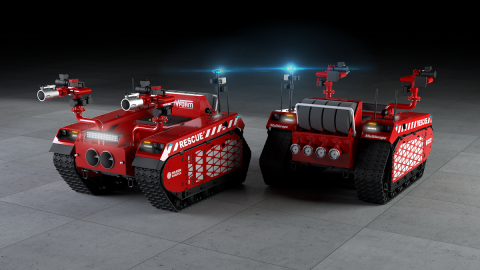
Milrem Robotics, InnoVfoam developing robot firefighting systems
Milrem Robotics has announced that it is working with foam extinguishing technology specialist InnoVfoam to develop robot firefighting systems that could help, or even replace, firefighters in especially hostile environments.
Milrem Robotics’ Multiscope Rescue UGV are equipped with various firefighting systems from InnoVfoams—specifically foam proportioning systems and fire monitors—to create the firefighting platforms.
Firefighters remotely operate the robots from a safe distance. They are provided with a complete overview of the operation area through various cameras, as well as sensors onboard the robot that can detect gas or chemical leaks.
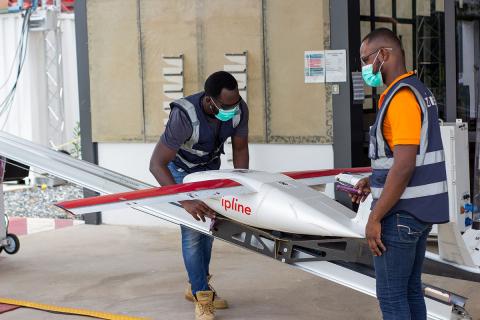
Drone delivery company Zipline tapped for Ghana COVID-19 sample flights
On-demand drone delivery specialist Zipline has been contracted by Ghana’s Ministry of Health to return COVID-19 test samples from health centers in the most remote areas of the country.
According to an official statement published on April 20, the U.S.-based company has already started to fly missions from four launch sites across the West African country to laboratory sites in Ghana’s Capital, Accra and second city Kumasi.
The "contactless" service will allow Ghana’s government to respond to the pandemic and help save lives "more quickly," according to a statement released by Zipline CEO Keller Rinaudo.
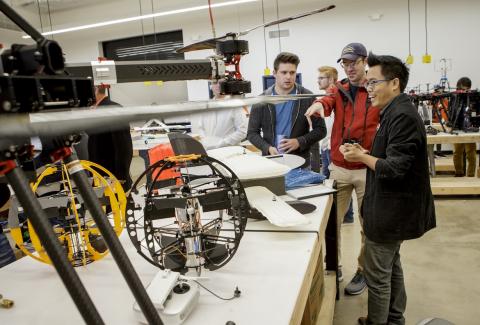
OSU's new drone designed to keep rescuers out of harm's way following disasters
The aftermath of the Oklahoma City bombing in 1995 that left 168 people dead sparked the work being done today by Oklahoma State University’s (OSU) Unmanned Systems Research Institute to help first responders.
25 years ago, there was no technology available that could help rescuers locate victims without risking their own lives to climb throughout what was left of the Murrah Building.
With this in mind, the now deceased Jon Hansen of the Oklahoma City Fire Department said that first responders needed a better way to conduct searches of rooms and communicate with the injured without having rescuers climbing through an unstable structure.
Robotic Research uses engineering expertise to develop reusable face shields for healthcare workers
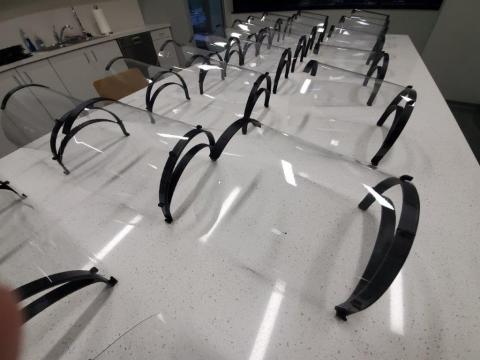
The team of engineers at Robotic Research is using its engineering expertise to create reusable face shields for healthcare workers on the frontlines of the COVID-19 crisis.
The company says that it has created a unique design for reusable face shields and is providing them to healthcare teams in hospitals around the Greater Washington Metro area. They are currently being delivered to support teams at local hospitals in the Montgomery County area.
Weekend Roundup: April 3, 2020
This Week in the Unmanned Systems and Robotics World
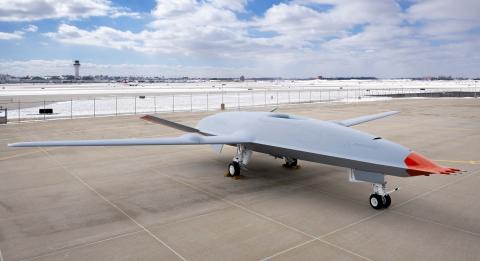
As part of a modification to a previously awarded contract, the Navy has exercised contract options with Boeing worth $84.7 million to buy three MQ-25A Stingray unmanned aerial refueling tankers. According to the contract announcement released by the Pentagon on Thursday, April 2, the three MQ-25s covered by the contract options are to be completed by August 2024. (USNI News)
Skyfire Consulting acquires majority stake in Maine-based drone company
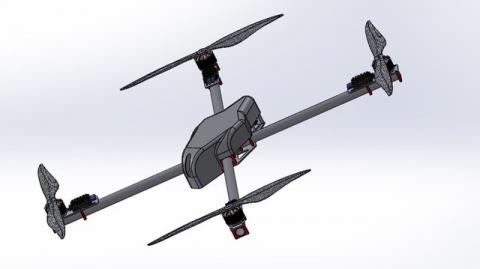
Public safety UAS consulting group Skyfire Consulting has acquired a majority stake in a Maine-based drone design and manufacturing house called Viking UAS.
Viking UAS focuses on high-end unmanned systems for US Military research, but the company has begun working on developing several purpose-built systems for clients in sectors such as public safety and infrastructure.
NOAA establishes Unmanned Systems Operations Program to support growing use of UxS across agency
To support the growing use of unmanned systems across the agency, the National Oceanic and Atmospheric Administration (NOAA) is establishing a new Unmanned Systems Operations Program.
According to NOAA, the program will support the “safe, efficient and economical operation” of unmanned systems (UxS) that it uses to collect high-quality environmental data for its science, products and services.
“Unmanned airborne and maritime systems are transforming how we conduct earth science at NOAA,” says retired Navy Rear Adm. Timothy Gallaudet, Ph.D., deputy NOAA administrator.
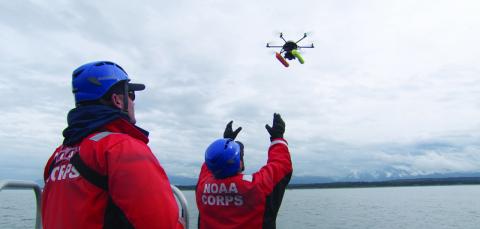
First Responder UAS Endurance Challenge seeks out 'last drone standing'
You’ve heard the expression last man standing. Beginning April 1, a new competition will seek out the last drone standing.
In an effort to help equip first responders with the necessary technology to aid them during various operations, the First Responder UAS Endurance Challenge is designed to crowd-source as many inventive drone designs as possible for first responders.
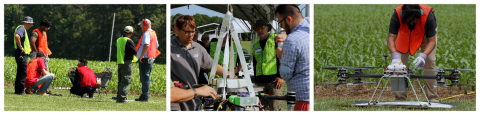
AIRT, Public Safety Unmanned Response Team North Texas support using UAS for public safety missions
The Public Safety Unmanned Response Team North Texas (PSURTNTX) and Airborne International Response Team (AIRT) have signed an agreement of cooperation to support using UAS for public safety and emergency management missions.
Through the agreement, PSURTNTX—a Texas-based non-profit organization made up of UAS remote pilots from regional public safety entities—and AIRT will collaborate to develop emergency preparedness, response, and resilience capabilities between one another, as well as among select partner organizations.
The goal is to develop a “robust network” of UAS responders and geographic information systems (GIS) experts that can provide direct assistance and location intelligence during complex emergencies, rapidly expanding incidents, and major disasters.