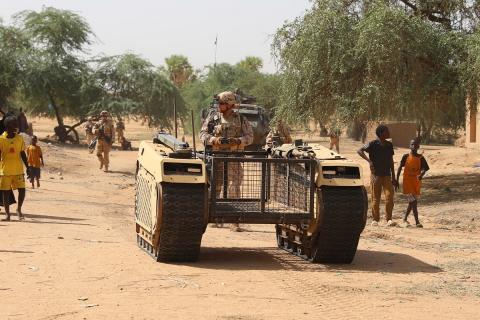
For the first time, the Estpla-32 infantry platoon, which is currently serving in Mali, deployed the Milrem Robotics THeMIS UGV during a military operation.
During the deployment, the UGV’s implementation in support of infantry in the conflict area was tested from both a tactical and a technical viewpoint.
Technology
Technology
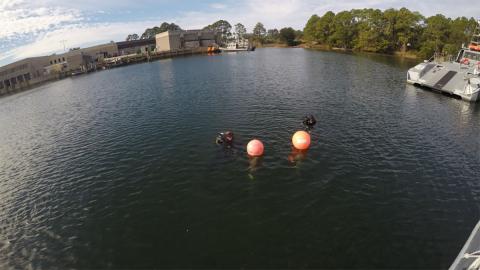
From Unmanned Systems Magazine: Researchers work to improve communications for unmanned underwater vehicles
As the development of autonomous watercraft progresses, engineers and designers are busy making sure these devices can communicate effectively.
In time, these vessels will become as ubiquitous a part of the seascape as those piloted by humans. Swarms of them will patrol harbors, support military missions, conduct search-and-rescue operations, transport goods, and nearly every other maritime operation for which their presence would prove practicable.
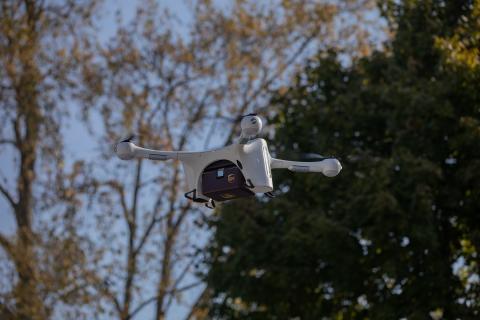
UPS Flight Forward awarded first full Part 135 Standard certification to operate UAS airline
UPS Flight Forward, the subsidiary of UPS, has been awarded the first full Part 135 Standard certification from the FAA to operate a drone airline.
AIRT to use grant to help expand its DroneResponders program
The Motorola Solutions Foundation, which is the charitable arm of Motorola Solutions, has awarded the Airborne International Response Team (AIRT) a grant that it will use to expand its DroneResponders program, which focuses on supporting the awareness and education of UAS use by public safety agencies and first responders across the globe.
“We are very honored to have been selected as one of the Motorola Solutions Foundation 2019 grant awardees,” says Christopher Todd, executive director of AIRT.
“This funding will help DroneResponders make an even greater impact in supporting first responders using drones for good in their local communities and beyond.”

Baidu launches self-driving taxis in China
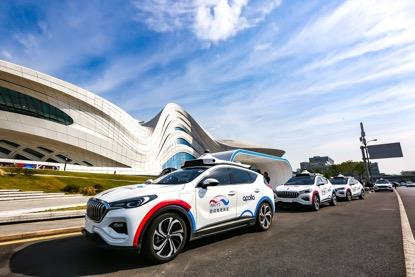
Baidu has debuted its Apollo Robotaxi in Changsha, Hunan province in China, with the first batch of 45 self-driving taxis having officially begun trial operations on urban roads.
Apollo Robotaxi deploys L4 Hongqi EV vehicles, which were developed in collaboration with FAW Group, a Chinese carmaker.
ANRA Technologies, everis ADS collaborating to develop UTM technologies
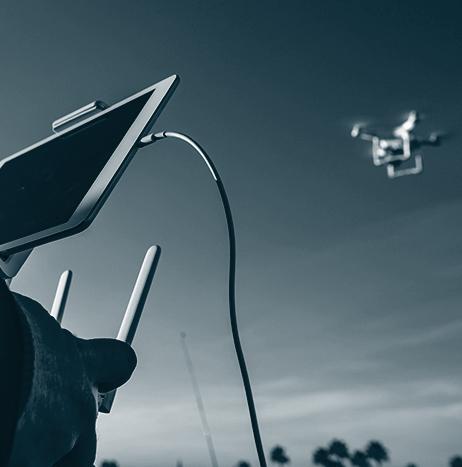
ANRA Technologies and everis Aerospace, Defense, and Security (everis ADS) have partnered to develop comprehensive Unmanned Aircraft System Traffic Management (UTM) and U-Space technologies for safe and efficient low altitude airspace operations.
Through the agreement, the entities will leverage their respective strengths, including ANRA’s software platform for UTM. Meanwhile, everis ADS, which develops “differential solutions based on the integration of innovative technologies,” will bring its expertise to the table.

Boeing Australia announces partnership aimed at creating smarter unmanned systems through AI tech
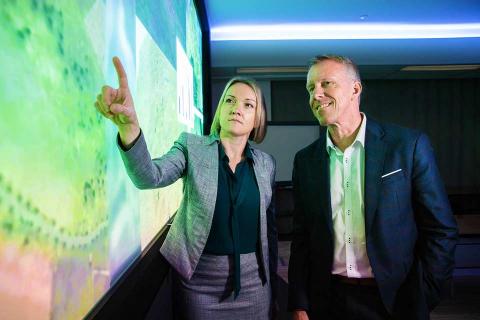
In an effort to create smarter unmanned systems for global forces, Boeing Australia and Australia’s Trusted Autonomous Systems Defence Cooperative Research Centre (DCRC) will collaborate on the development of advanced artificial intelligence (AI) technologies.
According to Boeing Australia, equipping unmanned systems with machine learning techniques will help them better understand and react to threat environments.
University of Michigan researchers demonstrate UAS attaching asphalt shingles to roofs with a nail gun
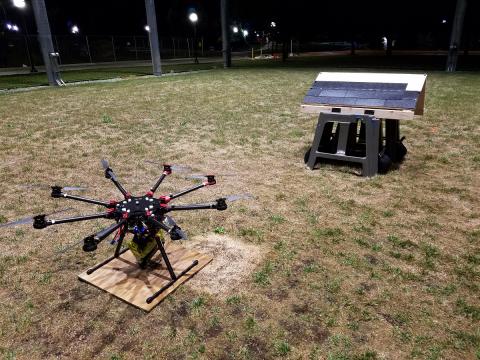
Researchers at the University of Michigan have demonstrated an octocopter attaching asphalt shingles to roofs with a nail gun.
The UAS is autonomous, which means that it can position the nail gun on a nailing point, place the nail and move to the next point all without any human intervention needed.
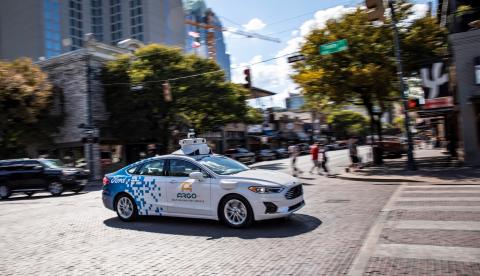
Ford, Argo AI to begin testing self-driving vehicles in Austin, Texas
Ford has announced that Austin, Texas is the third launch market for its self-driving vehicles, joining Miami-Dade County and Washington, D.C.
According to the U.S. Census Bureau, Austin has been the fastest growing metro region in America in each of the last eight years. Ford notes that the Capital Area Metropolitan Planning Organization predicts that by 2040, vehicle use in the Austin region could double, while highway capacity will only grow 15 percent.
“Simply put, Austin has to look towards diverse and innovative ways to move people around,” Ford says.